Published 28 October 2026 · 6 min read
Author: Aleksandra Spolnik
Comunidad de Propietarios – what the community fees cost in Tenerife
This content is for information only and does not constitute legal or tax advice. It reflects the legal situation as of the publication/update date – consult an adviser before making decisions.
What is the Comunidad de Propietarios, and why is this fee compulsory
More and more of our clients come to us already with a specific question in mind: Comunidad de Propietarios fees – how much they really are, what they cover, and whether it's possible to check all this before signing anything. It's a good question, because this single budget item can change the economics of a purchase more than the price per square metre.
The Comunidad de Propietarios is, roughly speaking, the Spanish equivalent of a Polish housing community – every owner of a unit in a given building or complex automatically becomes part of a community by law, which manages the shared areas: stairwells, lifts, pools, gardens, installations. The community has its own bylaws, holds an annual general meeting (junta de propietarios), appoints a property manager (administrador de fincas) and approves a budget – and that budget is exactly where the monthly fee each owner pays comes from, whether they live there year-round or only visit for a few weeks a year.
How much are Comunidad de Propietarios fees in Tenerife
The fee depends mainly on the standard and size of the complex, not on the price of the flat itself. From our experience selling apartments in the south of the island, three typical ranges stand out:
- A simple complex without a pool (a few stairwells, basic upkeep of greenery): around €50–90/month.
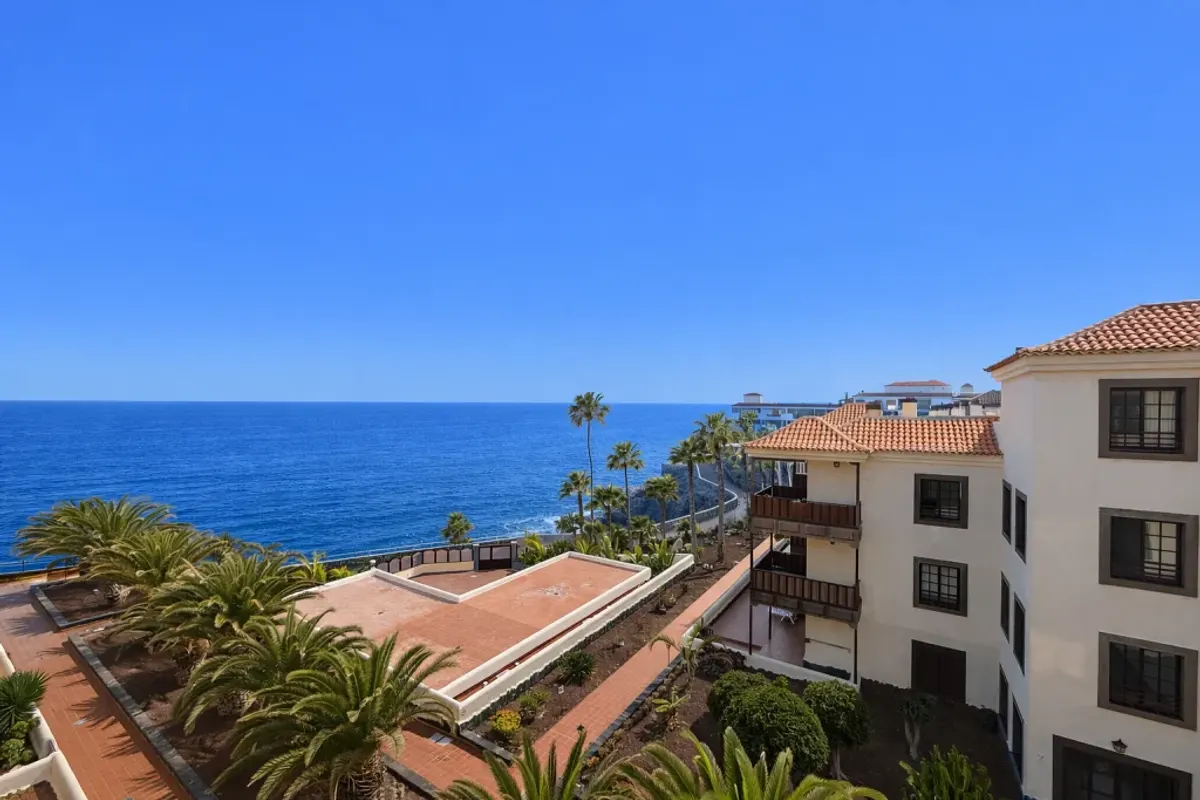
- A complex with a pool, garden and basic security – the most common standard for apartments popular with Polish buyers, for example in complexes like Granada Park in Los Cristianos: around €100–180/month.
- A premium residence (several pools, reception, 24h security, spa): €200/month and up.
We already quoted these same ranges in our broader breakdown of running costs – the full picture of monthly expenses (electricity, water, internet, insurance) alongside the Comunidad fee is in our guide cost of living in Tenerife. Here we focus purely on the community itself: what this fee is made of and how to verify it before buying.
What exactly the community fee covers
The monthly Comunidad fee isn't one arbitrary number – it covers concrete, recurring costs of maintaining the shared areas:
- Cleaning and grounds upkeep: stairwells, corridors, pools, gardens.
- Utilities for shared areas: lighting of stairwells and grounds, water for irrigation and pools, electricity for the lift.
- Building insurance (seguro de la comunidad) – a separate policy from your own home insurance (seguro de hogar), covering the structure and shared areas rather than the contents of your own flat.
- The property manager's fee (administrador de fincas), who handles the community's bookkeeping, calls meetings and chases payments.
- A reserve fund for future repairs – in theory it should be built up in advance; in practice, in older complexes it's often insufficient, which leads to a derrama (see below).
Derrama – the extra charge worth asking about before buying
A derrama is a one-off extra charge approved by the community for a major repair – repainting the façade, replacing the roof, upgrading the pool or the electrical wiring. It's the item Polish buyers ask about least often, yet it can be the biggest surprise: a single derrama can be several times the annual Comunidad fee, payable in instalments or as a lump sum.
Before making an offer, it's worth asking the seller or the agency for the minutes of the last 1–2 general meetings (actas de la junta) – that's where decisions about planned repairs and derramas are made, usually well before they ever show up in a sale listing. If the complex is already 30–40 years old, it's also worth asking directly about the condition of the roof, the installations and the façade, not just the current fee amount.
Unpaid Comunidad de Propietarios debts – how to check before buying
This is the point that most often catches Polish buyers off guard, and it can be costly: in Spain, unpaid community fees are usually tied to the property itself, not solely to the previous owner. That means unpaid debt to the Comunidad can, under certain circumstances, pass on to the buyer after a change of ownership – typically covering the last few billing periods, so it's always worth checking this with a lawyer before signing anything.
In practice, before any purchase we always request a certificate confirming there are no outstanding debts (certificado de estar al corriente de pago) for the specific owner and unit. This is a separate document from the Nota Simple – the Nota Simple shows mortgages and charges registered at the land registry, while debts owed to the community have to be checked directly with the administrator. Good notarial practice in Spain requires this certificate at the signing of the deed, but it's better to verify it already at the offer stage, not only at the notary's office.
Community fees and the holiday rental licence
The level of the Comunidad fee isn't the only reason it's worth knowing the community's bylaws thoroughly before buying. It's the bylaws – not the town itself – that decide whether a given complex can get a short-term rental licence at all (Vivienda Vacacional, VV). We wrote more about this in our guides an apartment in Tenerife – is it worth buying and common problems when buying a flat in Spain – the same complex may allow tourist rental while a seemingly identical neighbouring one may have a resolution that rules it out.
Examples from our listings – different standards, different fees
To show this with real properties rather than theory, here are two current listings from our portfolio that illustrate the difference in community standard well.
| Property | Location | Area | Bedrooms | Price |
|---|---|---|---|---|
| Dinastia Apartment | Los Cristianos | 74 m² | 1 | €300,000 |
| Costa del Silencio Townhouse | Costa del Silencio | 110 m² | 3 | €330,000 |
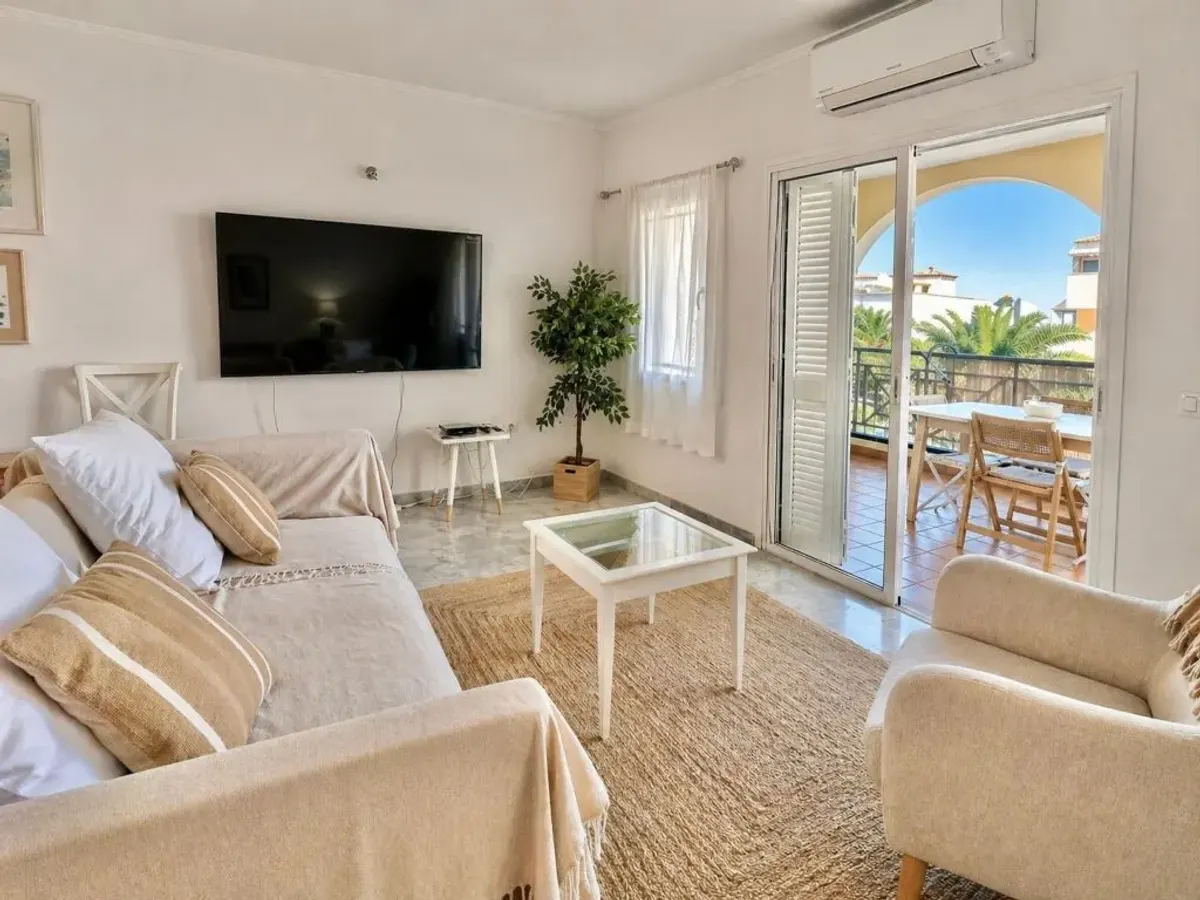
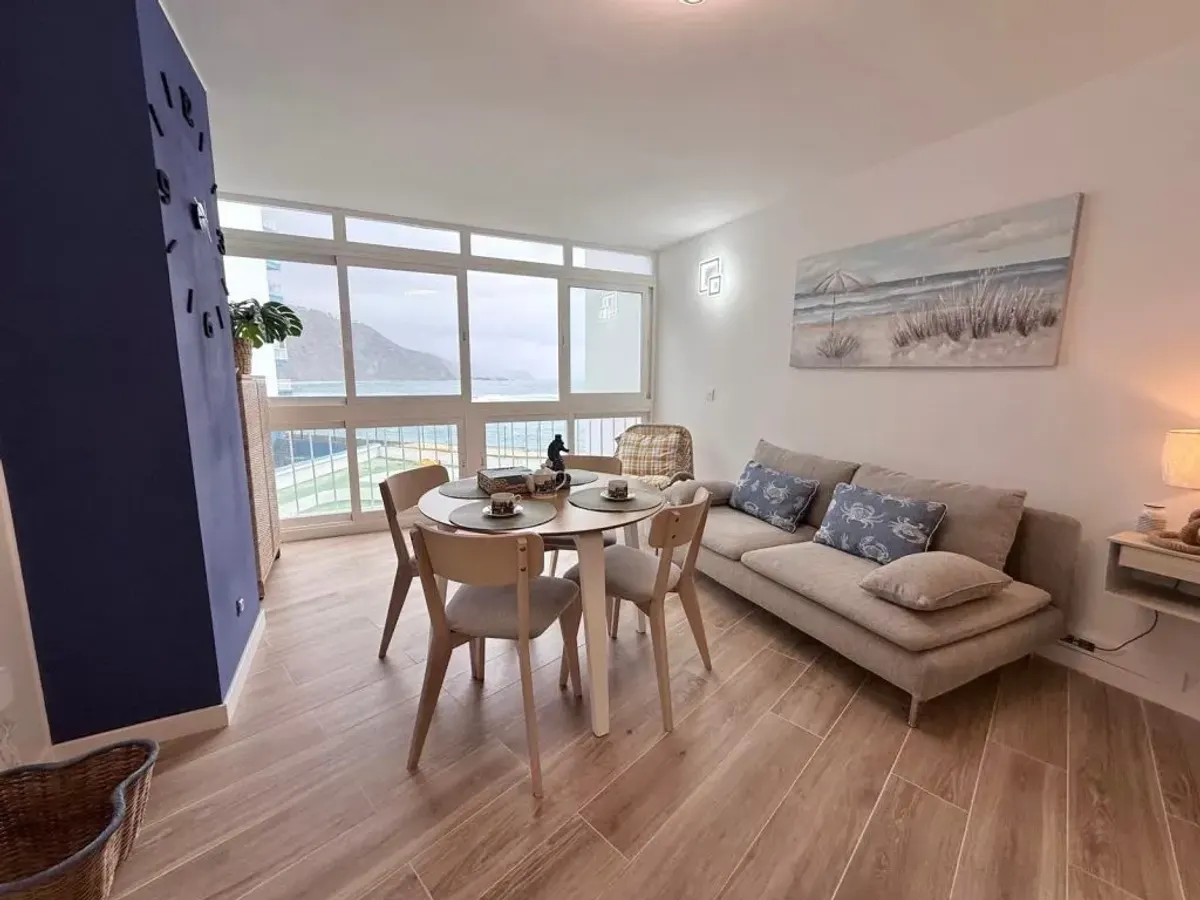
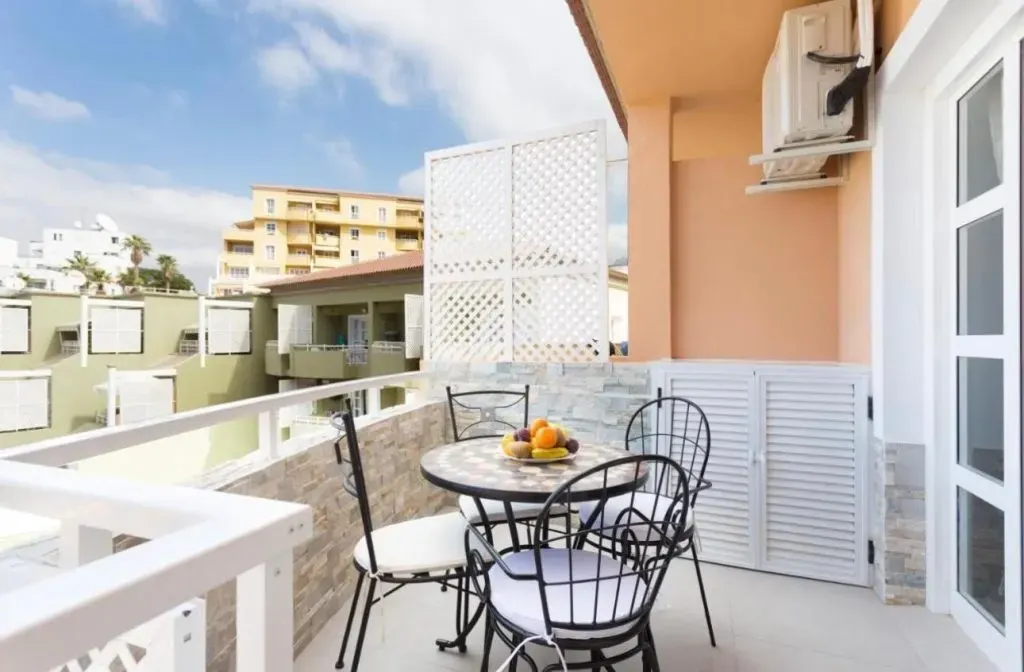
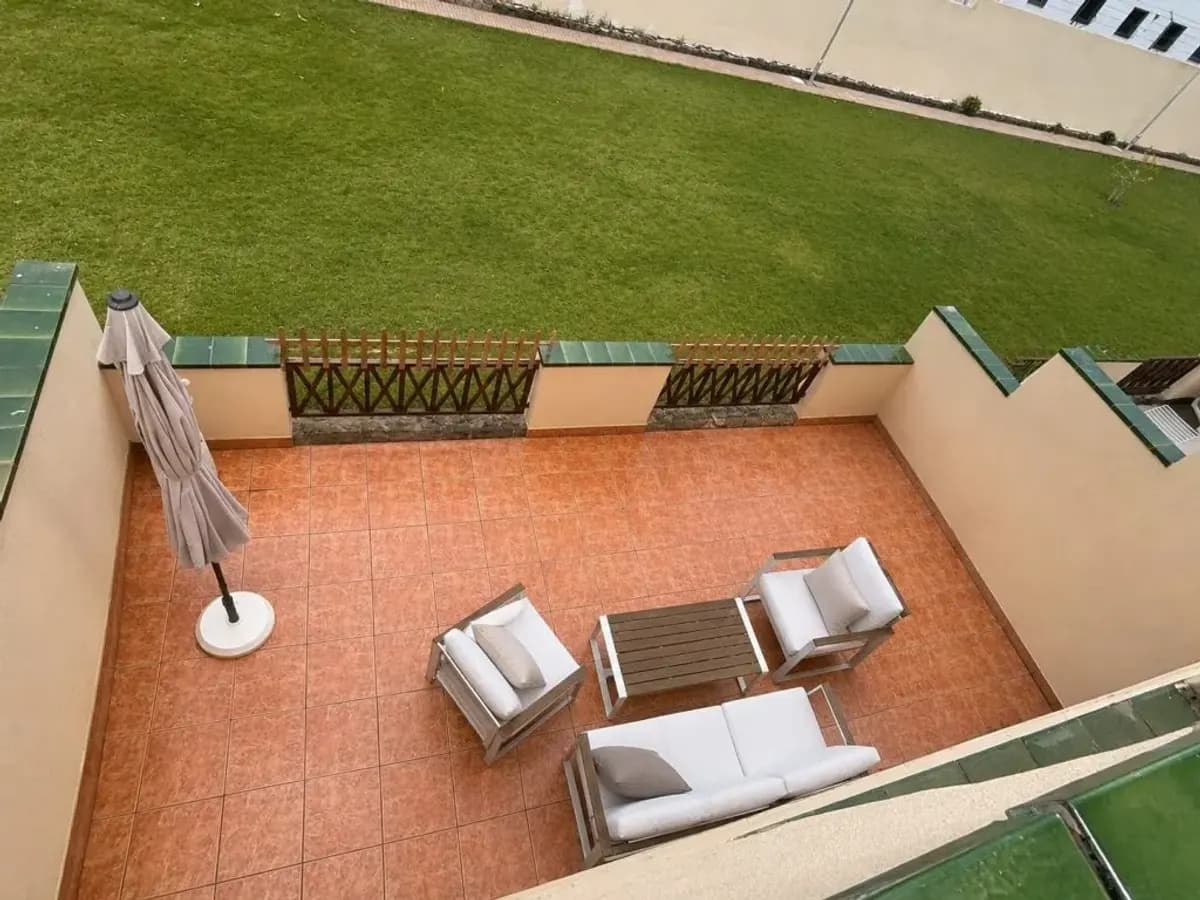
The Dinastia apartment is a typical complex with a pool and garden, so you should expect a fee from the upper end of the range (around €100–180/month). The townhouse in Costa del Silencio, on the other hand, is a development with fewer shared areas – which usually means a lower Comunidad fee, though the exact amount always needs to be confirmed directly with the administrator of that specific community, not estimated from the type of building alone.

How to check community fees before buying – a checklist
- Ask for the last 2–3 payment confirmations of the Comunidad fee from the current owner – the fastest way to learn the real figure, not an estimate.
- Request the minutes of the last general meetings of the community – they'll show you any planned repairs and potential derramas.
- Ask the administrator for a certificate confirming no outstanding debts tied to the specific unit, ideally before signing the reservation contract.
- Check the community's bylaws if you're planning short-term rental – the VV licence depends on exactly that.
- Weigh the Comunidad fee against the purchase price – a cheaper apartment in a complex with high fees can turn out more expensive to run over a year than a seemingly pricier property in a smaller community.
On top of that there's also the annual local IBI tax, independent of the community – we cover it separately in our guide taxes when buying property in Spain.
Summary
Comunidad de Propietarios fees in Tenerife are typically €50–200 or more per month, depending on the complex's standard – but the figure alone is only half the picture. It's just as important to check whether the community has any unpaid debts, whether a derrama for a major repair is in the works, and whether the bylaws even allow short-term rental. None of that can be read off the listing itself – you have to ask the administrator, ideally before paying the first deposit.
Looking for an apartment where we check all of this for you? Browse our current apartments for sale or get in touch with us – with every listing we verify the fees, any debts and the community's bylaws before we recommend it to a client.