
Published 21 October 2026 · 7 min read
Author: Aleksandra Spolnik
Buying a flat in Spain – common problems and mistakes Polish buyers make
This content is for information only and does not constitute legal or tax advice. It reflects the legal situation as of the publication/update date – consult an adviser before making decisions.
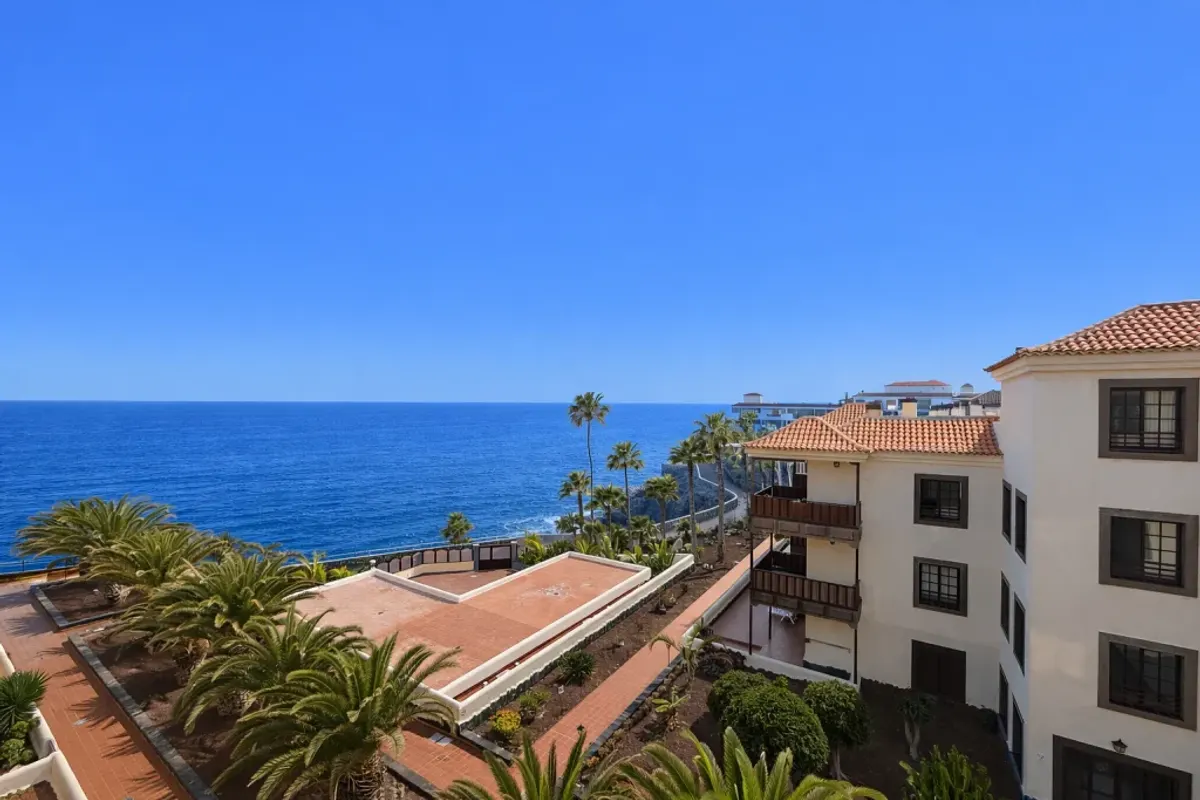
Buying a flat in Spain – what problems await Polish buyers?
Buying property abroad always carries more uncertainty than a transaction on your own, well-known market – and Spain is no exception. From our experience serving Polish clients in Tenerife, buying property in Spain tends to run into the same recurring problems, and most of them are easy to avoid once you know what to watch for before signing anything.
In this article we gather the most common mistakes Polish buyers make when purchasing property in Spain – from confusing two different contracts, through an underestimated budget, to buying without checking the legal status of the property. Every point comes with a concrete example, not theory.
Problem 1: Not checking the property's legal status
This is the most common and potentially the costliest mistake. A buyer falls in love with a listing on a property portal, pays a deposit – and only later discovers that the property carries a mortgage charge, that the registered floor area doesn't match the one in the ad, or that the seller isn't the sole owner.
The fix is simple and should be your very first step, before you pay anything: the Nota Simple – an extract from the Spanish property register (Registro de la Propiedad) showing the owner, any charges and the exact floor area. We explained how to read it in detail in our guide Nota Simple – how to check a property's legal status in Spain. The document costs a few euros and can be ordered online – there's no good reason to skip it.
Problem 2: Confusing the reservation contract with the Contrato de Arras
A second classic mistake Polish buyers make in Spain is treating two different stages of the transaction as one and the same document. A reservation contract is a preliminary step that takes the listing off the market for a few days to a couple of weeks, usually for a small amount. The Contrato de Arras is the actual deposit agreement, often around 10% of the price, with real legal consequences if either side pulls out.
Signing the arras without understanding that if the buyer withdraws the deposit is usually forfeited, while if the seller withdraws they must return double the amount, can be an unpleasant surprise. We explain the differences between these two documents – step by step, with concrete amounts – in our guide reservation contract vs Contrato de Arras.
Problem 3: Getting the NIE number and bank account too late
The NIE number (Número de Identidad de Extranjero) is required to sign the notarial deed – without it, the transaction simply cannot go through. The problem is that some buyers leave this formality until the last moment, already after signing the preliminary contract, which under time pressure can be stressful and sometimes forces rushed, more expensive solutions.
The same applies to opening a Spanish bank account – it isn't mandatory, but without it it's harder to pay taxes, the notary, or regular bills for maintaining the property. We've covered both topics separately: the NIE number in Tenerife – step by step and a Spanish bank account – 5 steps to opening one. Good practice: start these formalities right after signing the reservation contract, not after the preliminary one.
Problem 4: Underestimating the extra costs of buying
Another recurring mistake is budgeting only on the basis of the listing price, without adding taxes and fees. Buying on the resale market in the Canary Islands means the ITP tax (around 6.5% of the value), while buying from a developer means IGIC (usually 7%) plus AJD (around 1%). On top of that come the notary, the land-registry entry and legal fees – together the extra costs typically fall in the range of 8–13% of the property's value, depending on the type of purchase.
A full breakdown of every item – with concrete rates for both the primary and resale markets – can be found in our guide taxes when buying property in Spain (ITP, IGIC, IBI). A buyer who only discovers these costs at the notary's office usually ends up scrambling for extra funds or renegotiating the purchase terms.
Problem 5: Buying off-plan without a bank guarantee on payments
Buying a property under construction (off-plan, Spanish: sobre plano) can be attractive on price, but it carries a specific risk: payments made before you get the keys. Spanish law requires that every such payment be secured by a bank guarantee (aval bancario) or an insurance policy – yet some developers, especially smaller ones, try to skip this safeguard or limit it to only part of the payments.
Signing an off-plan contract without a guarantee number tied to a specific payment is one of the most serious mistakes we see among buyers – in the worst case it risks losing the deposit if the project is never completed. We've laid out a full checklist for buying safely under construction in our guide off-plan property in Tenerife – how to buy safely during construction.
Problem 6: Buying for rental without checking the VV licence
If the goal of the purchase is short-term rental, the key document is the Vivienda Vacacional (VV) licence – and this depends on the bylaws of the specific homeowners' association (Comunidad de Propietarios), not just on the town or even the building as a whole. The same complex may allow tourist rental in one block and forbid it in the next – or the entire community may have a resolution restricting short-term rental regardless of an individual owner's licence.
This is one of the most common surprises buyers discover only after signing the notarial deed, when it turns out the rental income they planned for isn't possible in the form they assumed. It's always worth checking the community's bylaws before signing the reservation contract, rather than relying on verbal assurances from the seller or agent.
Problem 7: Buying remotely without a power of attorney
Not every buyer can be physically present at every stage of a transaction in Spain – work, family, or simply the distance from Tenerife mean part of the process has to be handled remotely. A common mistake is trying to improvise this with emails and powers of attorney that a Spanish notary won't recognise, which in practice blocks signing the deed.
The solution is a notarial power of attorney (poder), drawn up by a Polish notary and bearing an apostille, which lets a trusted person or lawyer sign the deed on your behalf. We've described the whole process, including the required documents, in our guide notarial power of attorney in Spain (Poder).
What properties these mistakes typically happen with
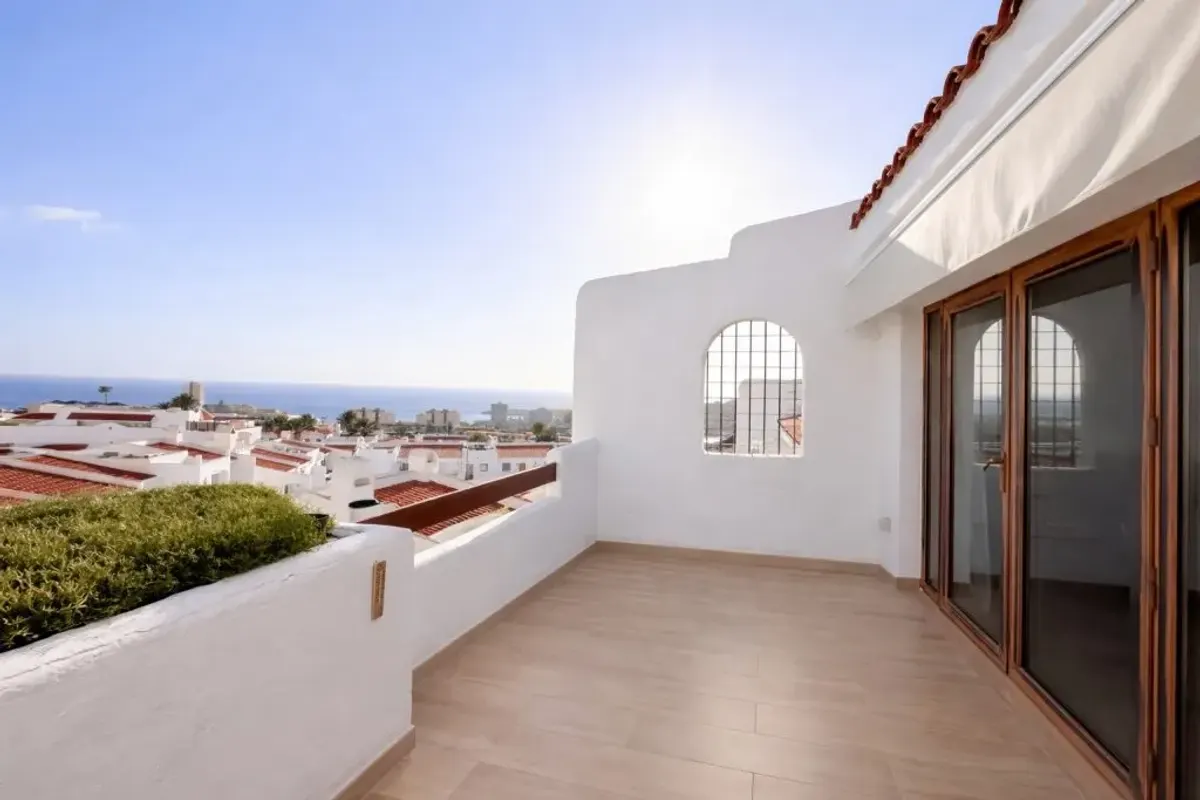
To show this with concrete examples rather than abstractions, here are two current listings from our portfolio where we routinely check exactly these points: legal status, extra costs and the rental licence.
| Property | Location | Area | Bedrooms | Price |
|---|---|---|---|---|
| Apartment Costa del Silencio 60 m² | Costa del Silencio | 60 m² | 1 | €245,000 |
| Beverly Hills Apartment | Los Cristianos | 68 m² | 1 | €295,000 |
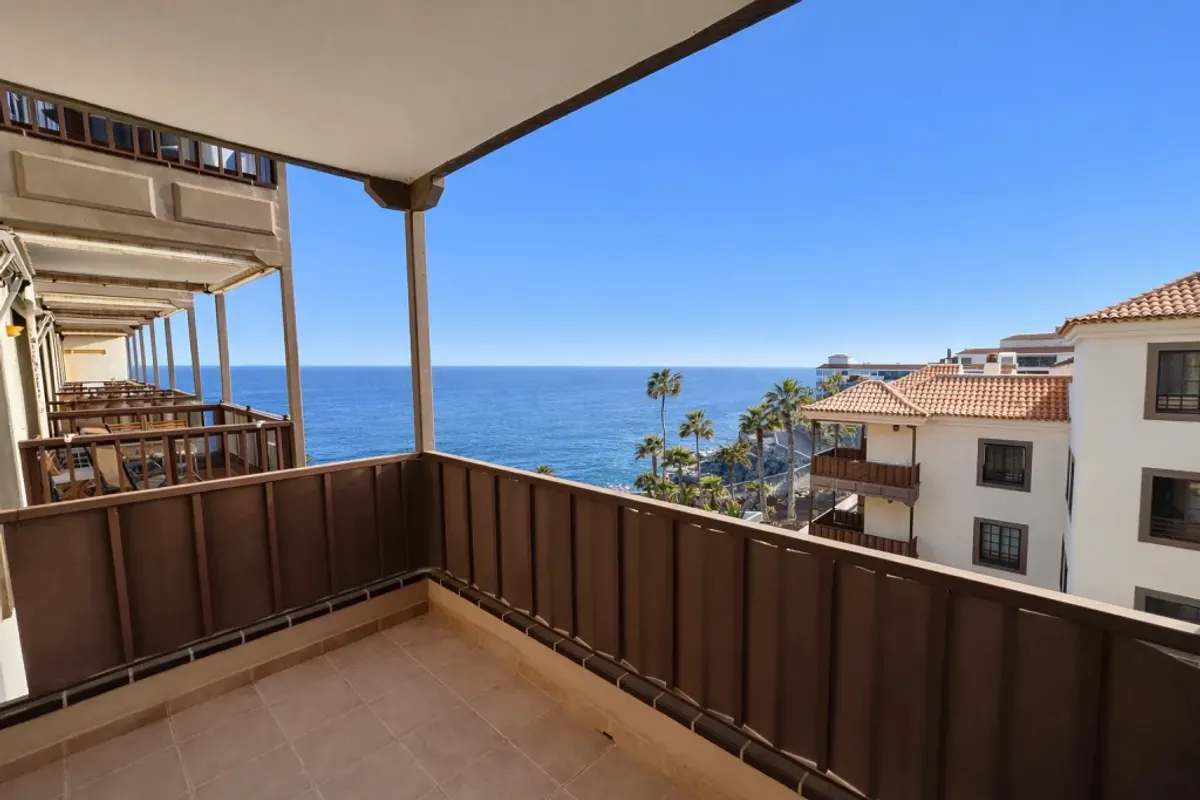
For 1-bedroom apartments in the €245,000–€295,000 range like these, the extra purchase costs (ITP tax, notary, registry, lawyer) come to roughly 8–13% of the value, i.e. around €20,000–€38,000 on top of the listing price – this is exactly the amount that most often catches out buyers who plan their budget around the property price alone.
How to avoid these mistakes – a short checklist
- Order the Nota Simple before paying any deposit – it costs a few euros and a few days' wait, and it protects you from the biggest risk.
- Tell the reservation contract apart from the Contrato de Arras and read what happens if either side withdraws.
- Start the NIE number and bank account formalities right away, don't wait until the last week before the notary.
- Budget for 8–13% in extra costs, not just the listing price.
- When buying off-plan, demand a bank guarantee number tied to every payment.
- Check the community's bylaws and the VV licence if you're planning short-term rental.
- If you can't be present in person, set up a notarial power of attorney well in advance, not in the last week.
The full, detailed purchase process – step by step, from choosing a location to collecting the keys – can be found in our guide property in Tenerife – a step-by-step purchase guide for Poles.
Summary
Problems buying property in Spain mostly arise when buyers skip the basic verification steps: the legal status, the type of contract being signed, the real total budget, and the rental licence. None of the mistakes described above is hard to avoid once you know about it in advance and work with local support, instead of running the transaction purely by email from the other end of Europe.
Planning to buy a flat in Tenerife and want to avoid these mistakes? Browse our current apartments for sale or get in touch with us – we'll guide you through the whole process in English, with a check of the legal status and the real costs at every stage.