Published 4 November 2026 · 8 min read
Author: Aleksandra Spolnik
Long-Term Rental of an Apartment in Tenerife – Wintering, Seniors, Prices
This content is for information only and does not constitute legal or tax advice. It reflects the legal situation as of the publication/update date – consult an adviser before making decisions.
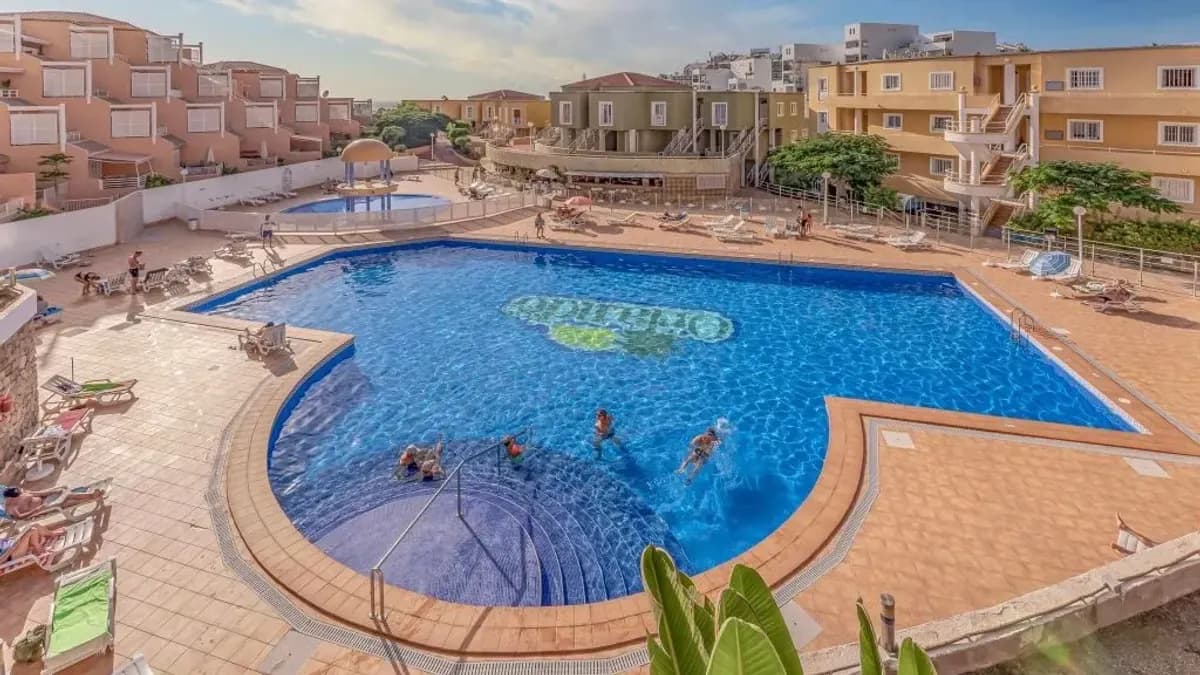
More and more of our clients want to "test" Tenerife with a longer stay before deciding to buy. Long-term rental of an apartment in Tenerife is then the natural first step – it lets you get to know the area, the climate and everyday life on the island without committing straight away to a purchase. This applies both to people planning a several-month winter stay and to seniors considering a permanent move.
In this article we explain how long-term renting differs from tourist rental, what a typical contract and deposit look like, which documents you need, and what really drives the rent price in the popular locations of the south of the island.
What Long-Term Rental in Tenerife Actually Means
Spanish law clearly separates two types of rental. Tourist rental (vivienda vacacional, VV) covers short stays, usually billed by night or week, and requires a separate licence from the community of owners. Long-term rental (arrendamiento de vivienda) falls under different rules – the Urban Leases Act (Ley de Arrendamientos Urbanos, LAU) – and in practice means a contract for at least a few months, most often a year with the option to extend.
For a Pole looking for a flat for the winter or for good, this distinction matters: tourist-portal listings rarely work for long-term rental, because nightly rates add up to a much higher monthly cost than a rate agreed directly with the owner for a longer period. That's why, when looking for a flat for 3, 6 or 12 months, it's worth asking straight away about a long-term rental offer rather than using a holiday-booking calendar.
Long-Term Rental Contract – What It Should Include
A standard rental contract for a flat in Tenerife (contrato de arrendamiento) should precisely set out several elements:
- Rental period – contracts shorter than a year are common for "winter" rentals (e.g. 3–6 months), but it's worth having a clearly written start and end date and the terms for any extension.
- Rent amount and payment dates – usually monthly, in advance, by transfer to the owner's or manager's Spanish bank account.
- Deposit (fianza) – standard practice is the equivalent of one month's rent, sometimes with an additional guarantee deposit (aval or garantía adicional) worth another month or two, especially for contracts shorter than a year or without a steady income documented in Spain.
- Which charges are included in the rent – Comunidad de Propietarios, electricity, water and internet are sometimes included in turnkey offers aimed at foreigners, but just as often billed separately – this needs to be settled in writing before signing.
- Condition of the furnishings – for furnished flats, a good contract includes an inventory list (inventario), which protects both parties when the deposit is returned.
The deposit (fianza) for long-term rental is in theory registered with the regional authorities, but in practice, when renting directly from a private owner, it's worth having it confirmed in writing in the contract – this is one of the first things we check with our clients before signing.
Wintering in Tenerife – Renting for a Few Months
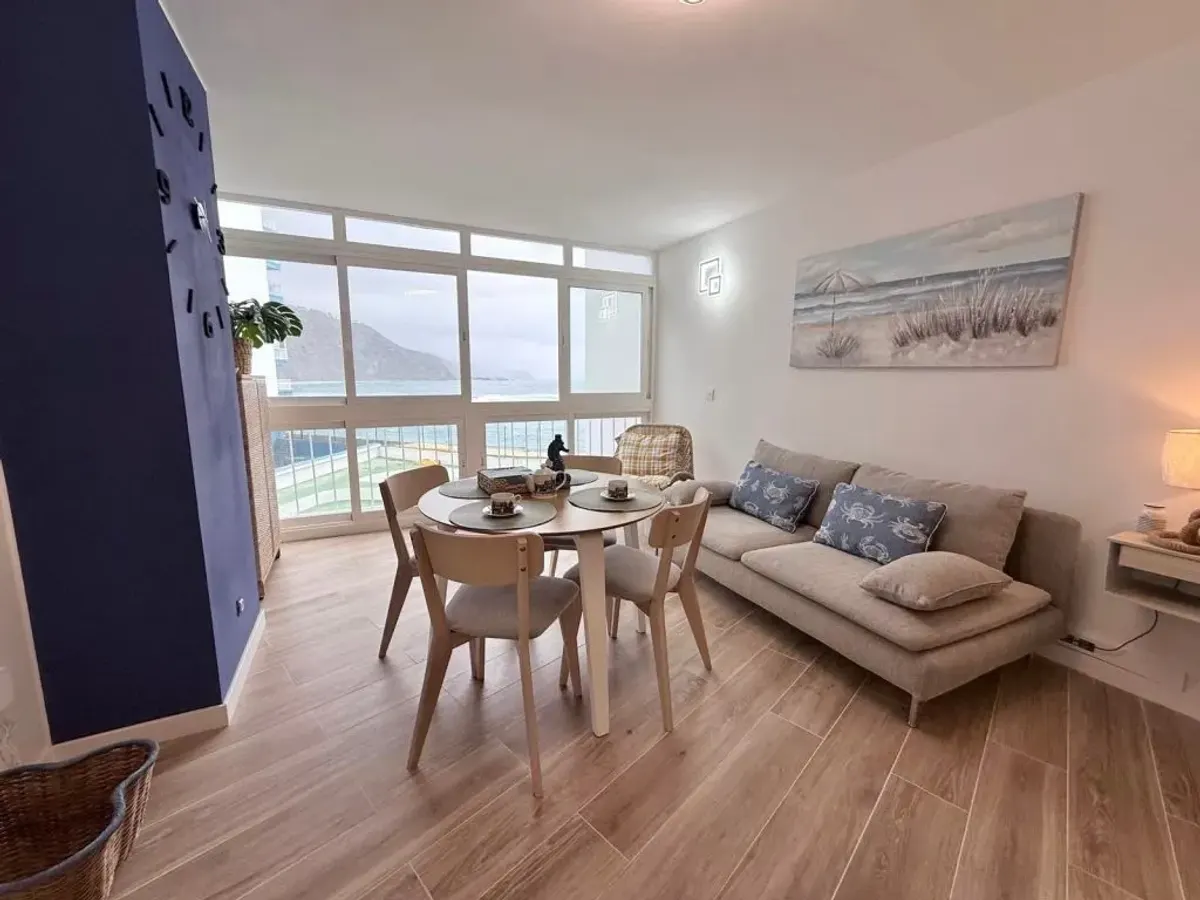
The largest group of Poles looking for long-term rentals are people planning to winter in Tenerife – usually from November to March or April, exactly when it's coldest in Poland while the island keeps its mild, year-round climate. Such a stay doesn't yet count as a relocation, but it isn't a classic holiday either – hence the need for a different offer than a holiday apartment on a booking portal.
For "winter" rentals, a few things set it apart from a standard yearly contract:
- Owners are more willing to accept shorter periods (3–6 months), but often expect a higher deposit than for a yearly contract.
- Demand for such flats rises precisely in autumn, so good offers in Los Cristianos or Costa Adeje disappear quickly – it's worth starting your search a few weeks in advance.
- Locations with good walkable infrastructure (shops, clinics, pharmacies within walking distance) work better than ones that require a car, especially for a longer stay without a permanent vehicle on the island.
Long-Term Rental for Seniors – What to Pay Attention To
For seniors planning a longer stay or a relocation, different criteria matter than for a tourist chasing a view from the terrace. In conversations with clients, the same topics keep coming up:
- Lift and building accessibility – older complexes in Tenerife are sometimes built on slopes, with extra stairs between the parking area and the entrance, which is worth checking in person rather than just from photos.
- Proximity to a clinic and pharmacy – Los Cristianos and Costa Adeje have well-developed medical infrastructure within walking distance, making everyday life easier without the need to drive.
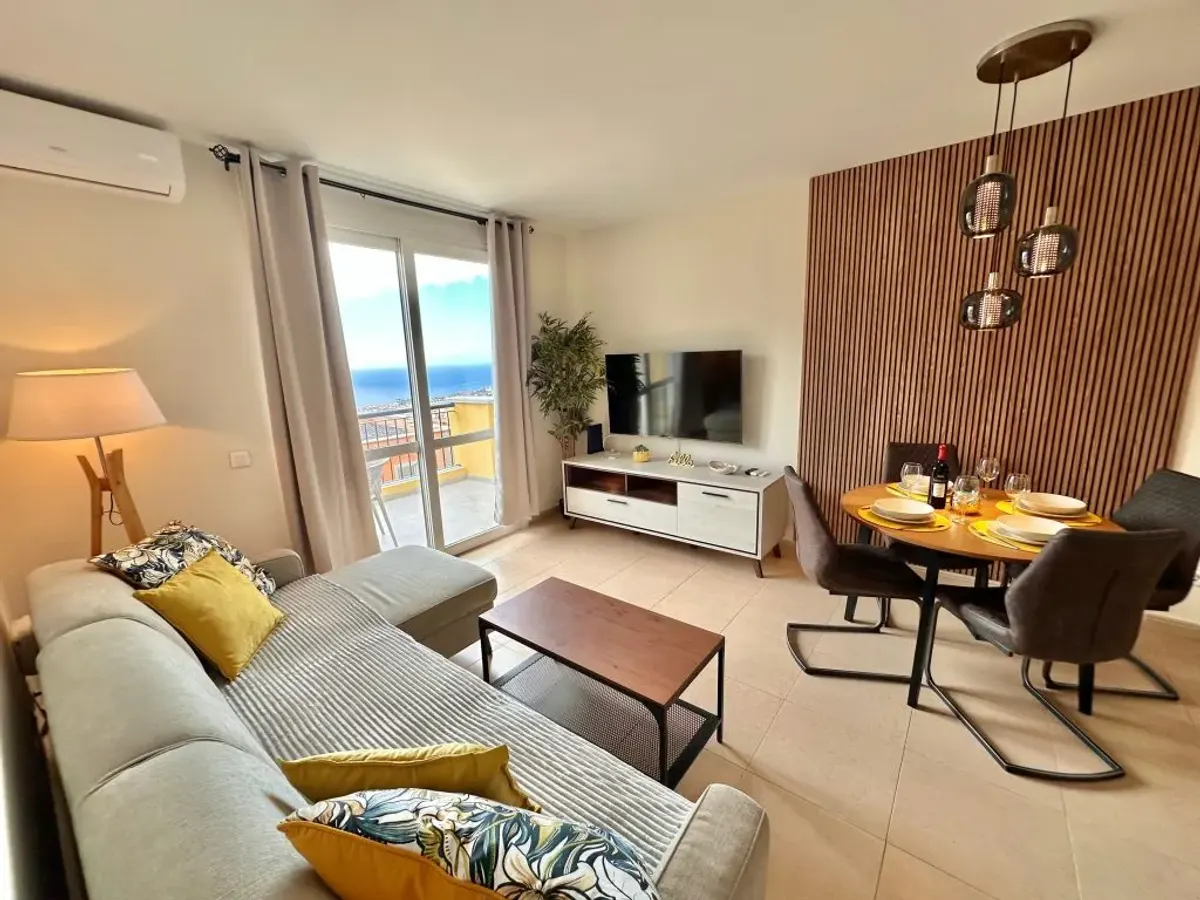
- Air conditioning and insulation – summer temperatures in the south of the island can be high, and older buildings without air conditioning may be less comfortable than newer complexes.
- Registration (empadronamiento) – for a longer stay it's worth registering with the local town hall, which makes local services easier to access, and is required if you plan to settle permanently. We describe this step by step in a separate guide to empadronamiento.
If you're considering not just renting but eventually settling on the island, it's worth first reading up on tax residency – we cover that in the article tax residency: Tenerife vs Poland.
How Much Does Long-Term Rental Cost in Tenerife
Long-term rental rates change seasonally and depend heavily on the specific location, the finish standard and whether the flat is furnished. We don't publish made-up figures – if you're looking for a specific offer for a given period, the most reliable source is always a current rental listing rather than an averaged online figure, since differences between neighbouring complexes can be significant.
What can be said with confidence based on our experience in the market:
- Location matters most. Apartments in Costa Adeje and close to the coastline in Los Cristianos rent for more than comparable flats further inland or in Northern Tenerife.
- Complexes with a pool and security command a higher rent than simple buildings without communal areas – the same pattern we described for Comunidad de Propietarios fees, just viewed from the tenant's side instead of the owner's.
- It's worth adding running costs to the rent if they're not included in the price – electricity, water and internet. We gathered realistic ranges for these bills for a typical 2-room apartment (roughly €150–300/month, depending on season and usage) in the article on the cost of living in Tenerife.
- Yearly contracts usually work out better per square metre than short "winter" rentals of 3 months, because owners are more willing to lower the rate in exchange for the stability of a longer contract.
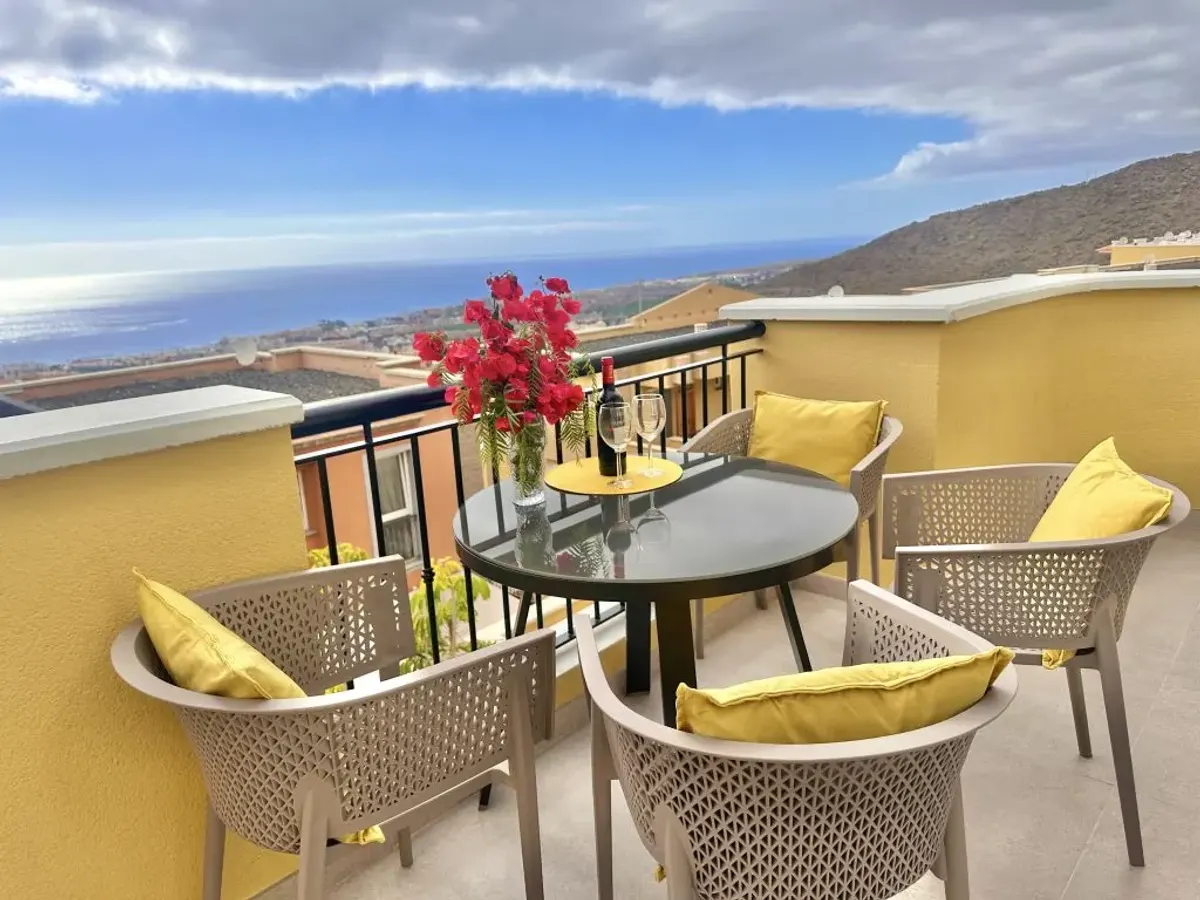
If you're planning a longer stay and want to know current rates in a specific location, the best option is to get in touch with us – we'll check what long-term rental flats we currently have available or help you find an offer from a trusted owner.
Documents and the Rental Process Step by Step
- NIE number – for long-term rental, most owners and agencies require it already at the contract-signing stage, not only when buying a property. We describe how to get it in our guide to the NIE number.
- Proof of income – an employment contract, a bank statement or a pension certificate; without a steady income in Spain, owners more often ask for a higher deposit or a guarantor.
- A Spanish bank account – makes it easier to transfer rent regularly and settle utility bills. We explain how to open one in a separate article on opening a bank account in Spain.
- Signing the contract and paying the deposit – usually one month's rent as fianza, sometimes an additional guarantee deposit.
- Handover inventory report – a record of the flat's condition and meter readings when collecting the keys, crucial when the deposit is returned at the end of the tenancy.
- Optional empadronamiento – if you're planning a longer stay or permanent residence, it's worth registering with the town hall soon after moving in.
Renting vs Buying – When Each Makes More Sense
Long-term rental is a good way to start – it lets you get to know a specific area without commitment before deciding to buy. But if you're planning to spend several months a year in Tenerife for many years to come, it's worth working out from which point buying starts to pay off more than regularly paying rent. It can help to compare the real purchase prices across locations, which we gathered in the article how much does a flat in Tenerife cost in 2026, and the analysis is it worth buying an apartment in Tenerife, where we weigh the arguments for and against.
Summary
Long-term rental of an apartment in Tenerife is a sensible first step both for people planning a winter stay and for seniors considering a longer stay or a relocation. The key is knowing the difference between a tourist offer and a multi-month rental, having a clearly written contract with the deposit and scope of charges spelled out, and putting your documents together in advance – an NIE number, proof of income and, ideally, a Spanish bank account.
Looking for a long-term rental apartment in Tenerife, or wondering whether renting or buying makes more sense for you? Get in touch with us – we'll help you find the right solution for the length of your stay and your budget.